N6-adenosine-methyltransferase non-catalytic subunit (Methyltransferase-like protein 14) (hMETTL14)
1_MDSRL 6_ QEIRE 11_ RQKLR 16_ RQLLA 21_ QQLGA 26_ ESADS 31_ IGAVL 36_ NSKDE 41_ QREIA 46_ ETRET 51_ CRASY 56_ DTSAP 61_ NAKRK 66_ YLDEG 71_ ETDED 76_ KMEEY 81_ KDELE 86_ MQQDE 91_ ENLPY 96_ EEEIY 101_ KDSST 106_ FLKGT 111_ QSLNP 116_ HNDYC 121_ QHFVD 126_ TGHRP 131_ QNFIR 136_ DVGLA 141_ DRFEE 146_ YPKLR 151_ ELIRL 156_ KDELI 161_ AKSNT 166_ PPMYL 171_ QADIE 176_ AFDIR 181_ ELTPK 186_ FDVIL 191_ LEPPL 196_ EEYYR 201_ ETGIT 206_ ANEKC 211_ WTWDD 216_ IMKLE 221_ IDEIA 226_ APRSF 231_ IFLWC 236_ GSGEG 241_ LDLGR 246_ VCLRK 251_ WGYRR 256_ CEDIC 261_ WIKTN 266_ KNNPG 271_ KTKTL 276_ DPKAV 281_ FQRTK 286_ EHCLM 291_ GIKGT 296_ VKRST 301_ DGDFI 306_ HANVD 311_ IDLII 316_ TEEPE 321_ IGNIE 326_ KPVEI 331_ FHIIE 336_ HFCLG 341_ RRRLH 346_ LFGRD 351_ STIRP 356_ GWLTV 361_ GPTLT 366_ NSNYN 371_ AETYA 376_ SYFSA 381_ PNSYL 386_ TGCTE 391_ EIERL 396_ RPKSP 401_ PPKSK 406_ SDRGG 411_ GAPRG 416_ GGRGG 421_ TSAGR 426_ GRERN 431_ RSNFR 436_ GERGG 441_ FRGGR 446_ GGAHR 451_GGFPP
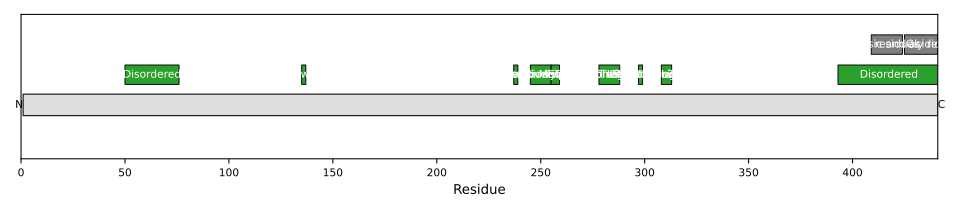
1: The METTL3-METTL14 heterodimer forms a N6-methyltransferase complex that methylates adenosine residues at the N(6) position of some mRNAs and regulates the circadian clock, differentiation of embryonic stem cells and cortical neurogenesis (PubMed:24316715, PubMed:24407421, PubMed:25719671, PubMed:27281194, PubMed:27373337, PubMed:29348140). In the heterodimer formed with METTL3, METTL14 constitutes the RNA-binding scaffold that recognizes the substrate rather than the catalytic core (PubMed:27281194, PubMed:27373337, PubMed:27627798, PubMed:29348140). N6-methyladenosine (m6A), which takes place at the 5'-[AG]GAC-3' consensus sites of some mRNAs, plays a role in mRNA stability and processing (PubMed:24316715, PubMed:24407421, PubMed:25719671). M6A acts as a key regulator of mRNA stability by promoting mRNA destabilization and degradation (By similarity). In embryonic stem cells (ESCs), m6A methylation of mRNAs encoding key naive pluripotency-promoting transcripts results in transcript destabilization (By similarity). M6A regulates spermatogonial differentiation and meiosis and is essential for male fertility and spermatogenesis (By similarity). M6A also regulates cortical neurogenesis: m6A methylation of transcripts related to transcription factors, neural stem cells, the cell cycle and neuronal differentiation during brain development promotes their destabilization and decay, promoting differentiation of radial glial cells (By similarity)