Kallikrein-14 (hK14) (EC 3.4.21.-) (Kallikrein-like protein 6) (KLK-L6)
1_MSLRV 6_ LGSGT 11_ WPSAP 16_ KMFLL 21_ LTALQ 26_ VLAIA 31_ MTQSQ 36_ EDENK 41_ IIGGH 46_ TCTRS 51_ SQPWQ 56_ AALLA 61_ GPRRR 66_ FLCGG 71_ ALLSG 76_ QWVIT 81_ AAHCG 86_ RPILQ 91_ VALGK 96_ HNLRR 101_ WEATQ 106_ QVLRV 111_ VRQVT 116_ HPNYN 121_ SRTHD 126_ NDLML 131_ LQLQQ 136_ PARIG 141_ RAVRP 146_ IEVTQ 151_ ACASP 156_ GTSCR 161_ VSGWG 166_ TISSP 171_ IARYP 176_ ASLQC 181_ VNINI 186_ SPDEV 191_ CQKAY 196_ PRTIT 201_ PGMVC 206_ AGVPQ 211_ GGKDS 216_ CQGDS 221_ GGPLV 226_ CRGQL 231_ QGLVS 236_ WGMER 241_ CALPG 246_ YPGVY 251_ TNLCK 256_ YRSWI 261_EETMR
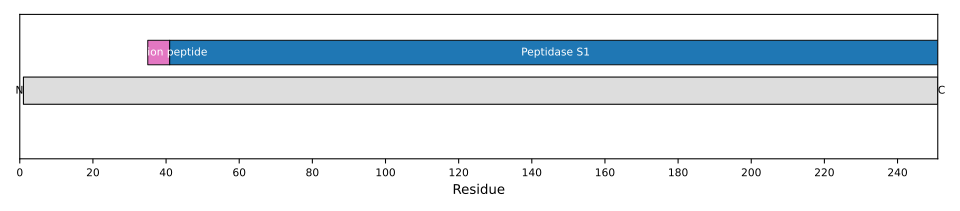
1: Serine-type endopeptidase with a dual trypsin-like and chymotrypsin-like substrate specificity. May activate/inactivate the proteinase-activated receptors F2R, F2RL1 and F2RL3 and other kallikreins including KLK1, KLK3, KLK5 and KLK11. May function in seminal clot liquefaction through direct cleavage of the semenogelin SEMG1 and SEMG2 and activation of KLK3. May function through desmoglein DSG1 cleavage in epidermal desquamation a process by which the most superficial corneocytes are shed from the skin surface. May be involved in several aspects of tumor progression including growth, invasion and angiogenesis